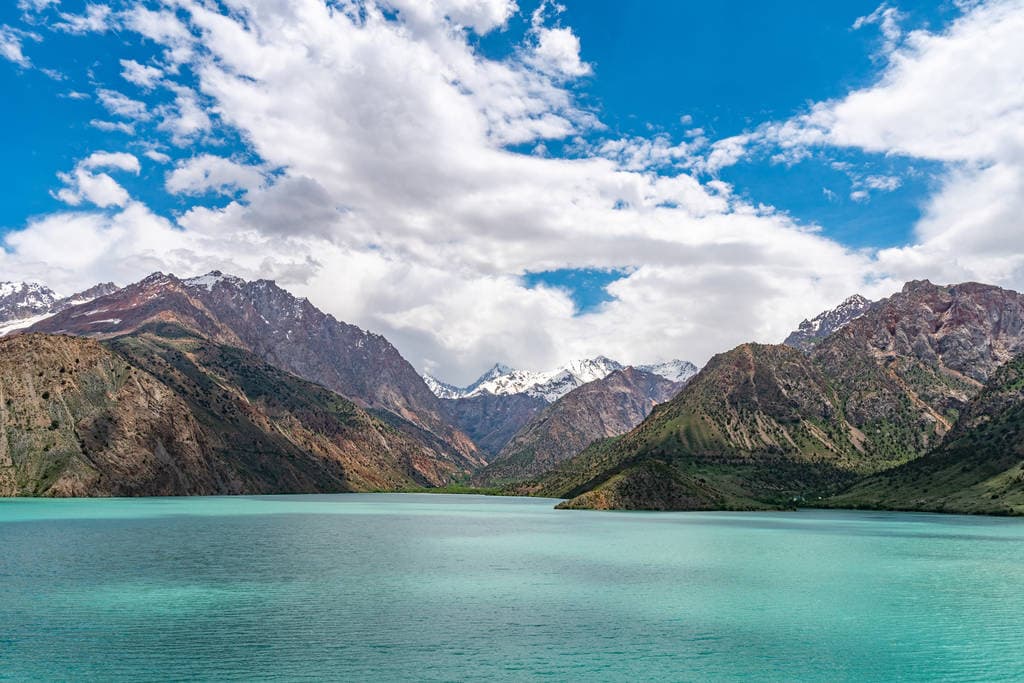
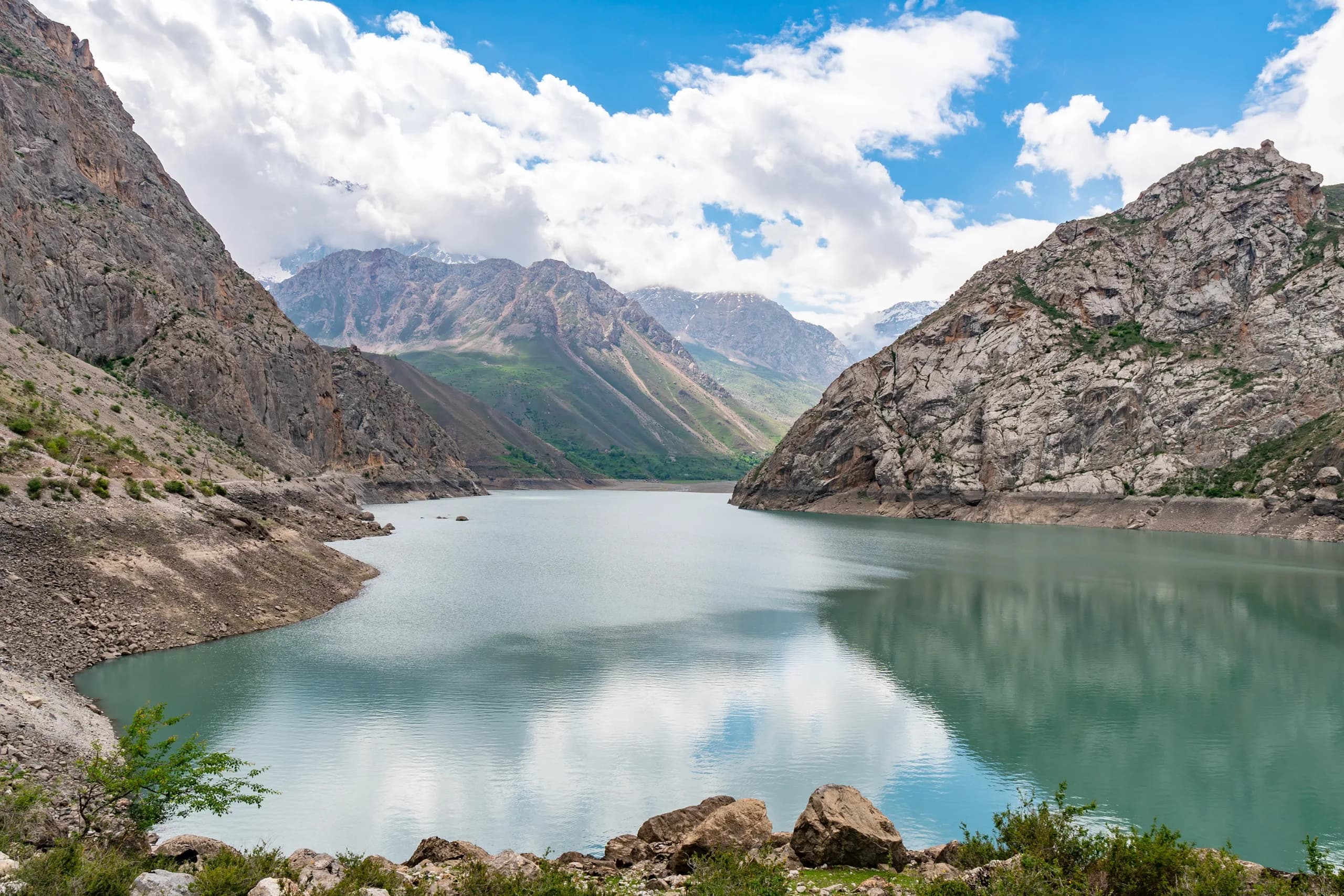
Tajikistan holds a distinctive place in Central Asia. Most of the country is mountainous, with the Pamirs rising in the east and the Fann Mountains stretching across the west, shaped by deep valleys and high-altitude lakes. The country is home to Lake Karakul and Lake Sarez, vast glaciers and peaks rising above 7,000 metres. Tajik National Park in the Pamir Mountains is recognised as a UNESCO World Heritage Site.
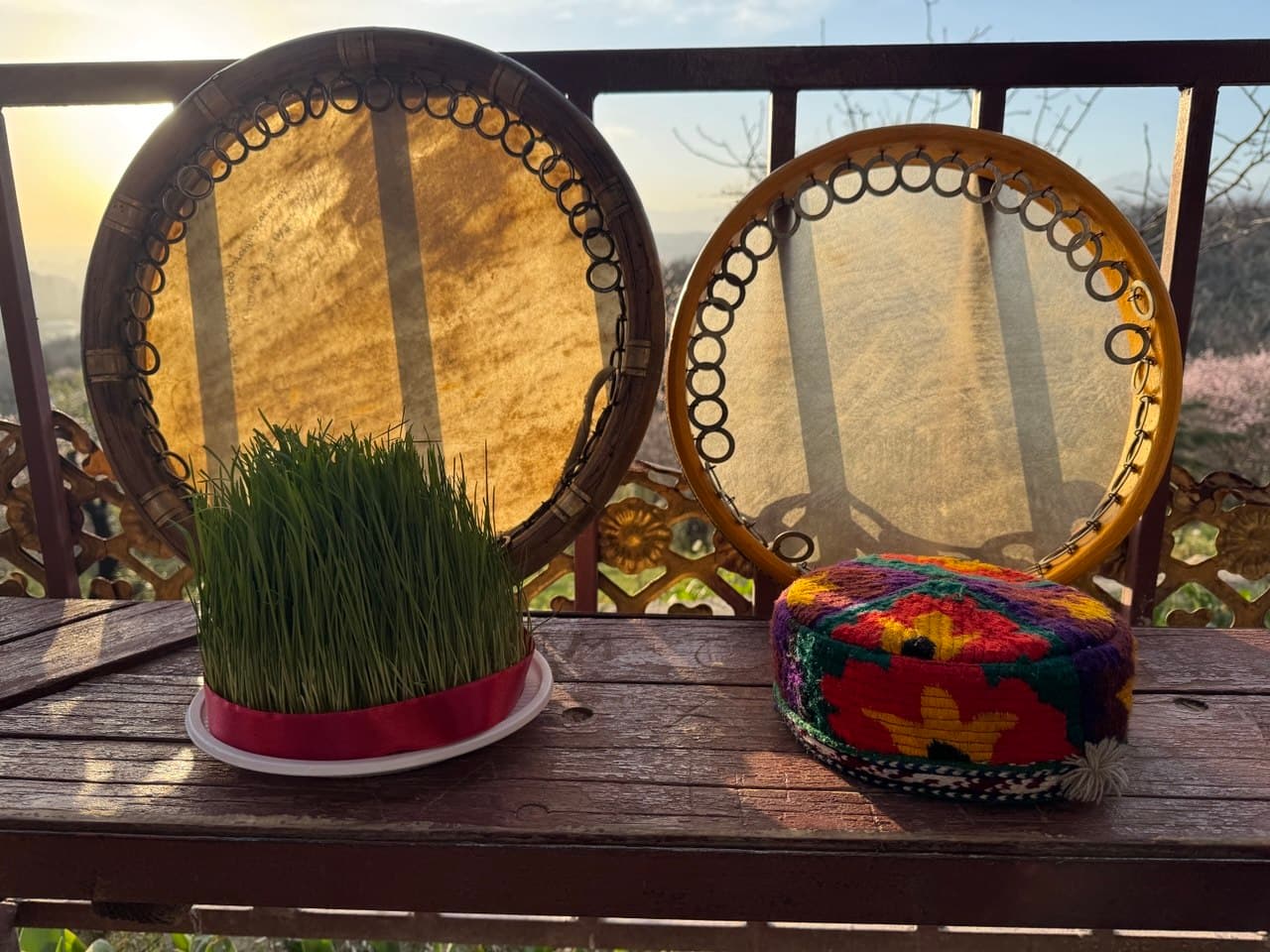
Yet Tajikistan is much more than its landscapes. Routes of the Silk Road once crossed this territory, while Ancient Panjakent, Sarazm, Khujand and other historic sites preserve traces of civilizations that developed here over thousands of years. Part of the Zarafshan-Karakum Corridor of the Silk Roads is now also inscribed on the UNESCO World Heritage List.
From Dushanbe and the historic cities of Sogd to villages in the Fann Mountains and the high-altitude landscapes of the Pamirs, the country changes with every part of the journey. This combination of history, culture and dramatically different landscapes makes Tajikistan equally suited to cultural journeys, Silk Road routes, trekking and longer mountain expeditions.